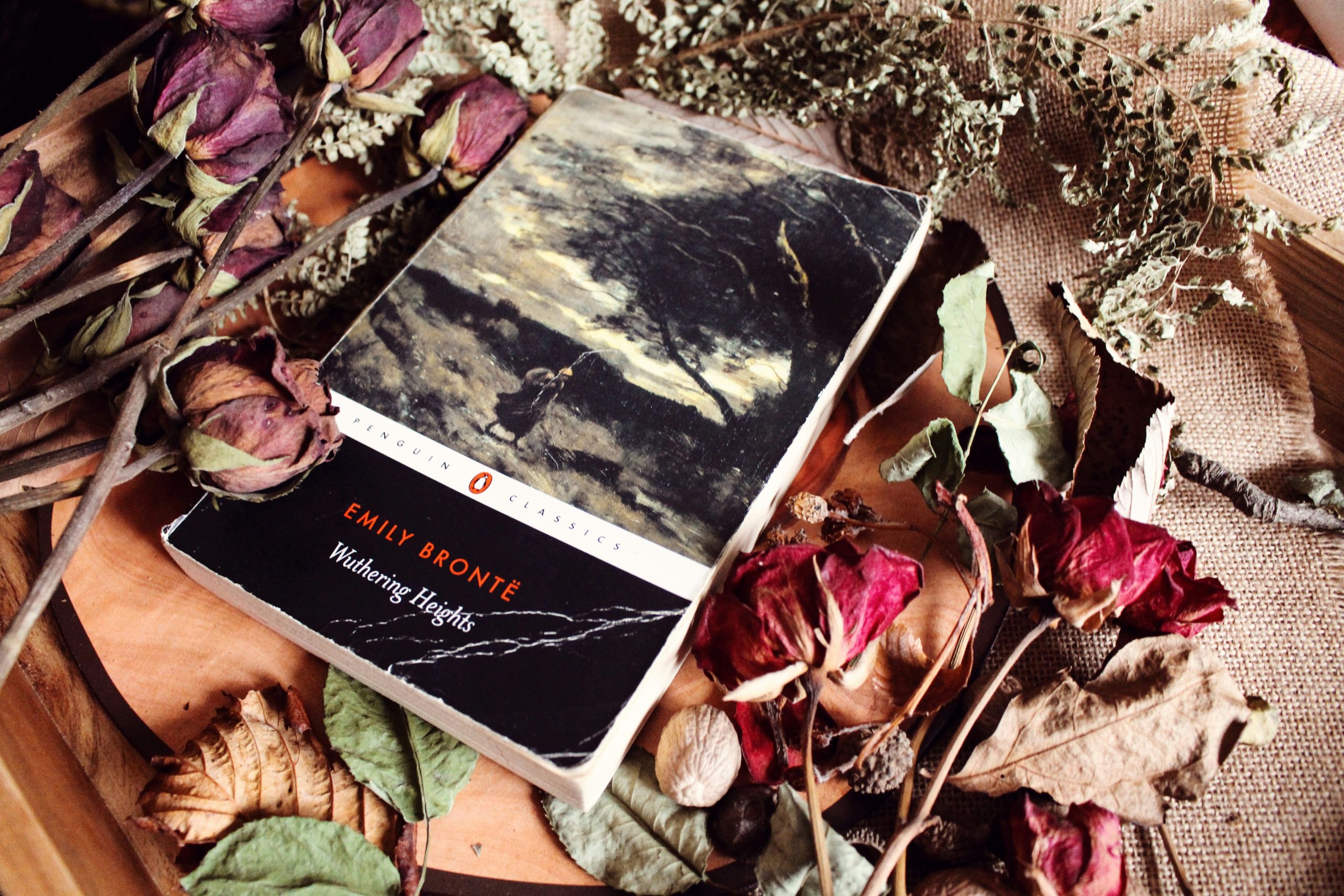
It seems Emerald Fennell is at it again, riding on the high from her very successful Saltburn, she has reprised her trusty Jacob Elordi to take a stab at adapting Wuthering Heights into a glossy, shock-value-heavy, erotic reimagining.
When the trailer for her adaptation dropped, it seemed she had a very different vision to the gothic classic than people were expecting. A vision of a whitewashed Heathcliff with a horrendous Yorkshire accent, a bleach blonde Catherine Earnshaw sticking her fingers into Elordi’s mouth and a Charlie XCX soundtrack thundering across the windy moors.
To put it simply, she has taken a classic story rooted in racism, classism and generational trauma and reduced it to a ‘dark erotic romance’ created simply for aesthetics.
The most glaring controversy of Fennel’s adaptation is her casting choice, once again she has casted Jacob Elordi as her main lead. Talk about beating a dead horse. This casting choice has not only made the film terribly unexciting and overdone but has also stripped away the core plot of the entire novel.
With Heathcliff’s character at the centre of the novel, he is a foundling described as ‘dark-skinned’ and of Romani ‘appearance’. His isolation from the Earnshaw household and society due to his race and class is inseparable from his descent into revenge and cruelty.
Instead of exploring the depth and significance of what Heathcliff’s character symbolises, Fennel desperately tries to create this image of a ‘dark romance book boyfriend’, the Heathcliff in her trailer is a tall, handsome rugged man, roughly tearing open Catherine’s corset and sending her brooding looks while shirtless in a barn full of hay. Fennel does a fantastic job of stripping away the core of the novel and reduces it to an overdone aesthetic of a ‘sexy brooding man’.
Heathcliff is not, and never was, meant to be a swoon-worthy antihero. He abuses his wife Isabella, hangs her dog, digs up Cathy’s grave and enacts generations of misery and revenge on those who ostracised him. His actions are meant to horrify because they are not the result of a romantic temperament but the aftershocks of systemic prejudice.
His character and descent into brutality, cruelty, obsession and revenge is an indictment of how racism and class exclusion deform lives. Casting Jacob Elordi, a conventionally attractive, white Australian actor, erases this entirely and strips the character of the very conditions that define him. Once again, taking meaningful stories and acting roles away from people of colour just for the shallow purposes of attaining views for her film.
The casting of Catherine Earnshaw fares no better. In the novel, Cathy is wild, headstrong, and selfish, a 17-year-old whose passionate but destructive bond with Heathcliff tears apart both their lives. Her marriage to Edgar Linton, made out of ambition rather than love, and her premature death from illness and emotional instability, haunt the narrative and fuel Heathcliff’s generational brutality. She is, in many ways, as unsettling as Heathcliff himself. Instead we get Australian bombshell Margot Robbie, sipping blue cocktails in neon red sunglasses to Charlie XCX.
Turning the character of Isabella: who in the novel is a survivor of domestic violence who escaped Heahcliff’s abuse to protect her son, into a BDSM enthusiast crawling to Heathcliff with a dog collar on is a perfect example of Fennel’s obsession with surface level spectacle rather than substance.
Reducing the women in the novel from nuanced, strong characters to sexual fetishes makes it hard to believe this adaptation was directed by the same Emerald Fennell who made Promising Young Woman.
Fenell has become known for her use of shock value and stylisation. Saltburn epitomised this approach: gaudy, excessive, hyper-sexualised and deliberately scandalous. The problem is that this poor attempt at generating shock through heavily stylised sex scenes, oversaturated visuals, mainstream actors and pop anthems is unnecessary.
Bronte’s novel is already shocking. From the very first reviews of Wuthering Heights in 1847, Wuthering Heights was recognised as something dark and unsettling, with Bronte herself describing it as ‘wild, confused, disjointed’, it horrified audiences for nearly two centuries with its depictions of abuse, brutality and obsessive love that curdled into hatred.
If Fenell wanted to tell a sexy, gothic tale of obsession and ruin, she could have written an original script, instead she has taken one of the most radical novels in English Literature about the generational impact of classism and racism and reduced it to a tasteless erotic romance.