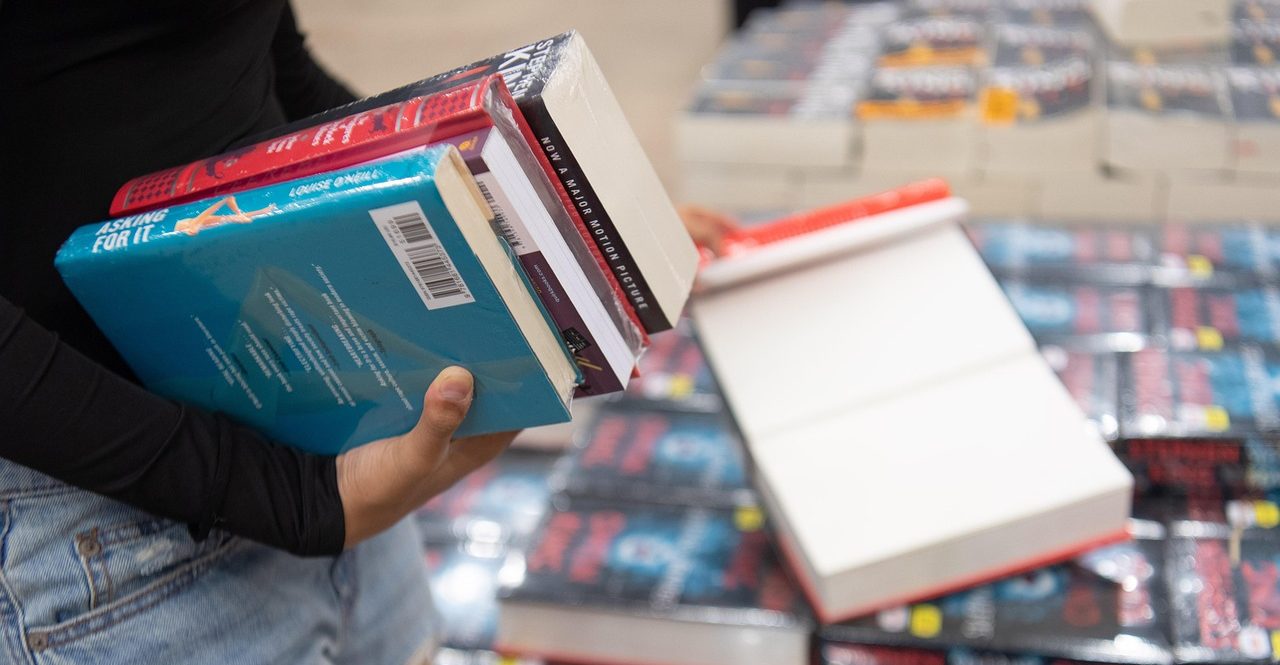
One of the defining features of this decade has been the huge increase of overconsumption and normalisation of excess. Think Stanley Cup collections, wardrobes of beauty products, and all of the clothes in landfills. Although these are some of the most notable aspects of overconsumption, book-buying has started to fit in with this concerning trend through extensive book hauls and mediocre ‘limited edition’ releases, just to name a few.
I admit, I buy a lot of books. My bookshelf is my pride and joy, my own curated library for my room. In recent months, I have become increasingly aware of my spending habits when it comes to buying books, and subsequently have started a ‘book-buying ban’ – a familiar concept within book-themed social media. I have 31 books I have yet to read, and thus have stopped myself buying more.
If you think this is relatable, I urge you to do what I did and reflect on your spending. Books are expensive, averaging at £9.99 each. That is over £300 of unread books on my shelf! Obviously, this collection has accumulated over many years, however I still feel ashamed when I realise the contribution I have made to overconsumption. I know that all these books will be read and enjoyed – I don’t think it’s possible to overconsume reading, something that provides cognitive benefits and endless enjoyment. However,on reflection of my collection, I don’t know why I continued to purchase books when I had barely touched what I already owned.
Here’s how to tackle book overconsumption:
Buy second-hand. Independent bookshops are not only more sustainable and support local businesses, but they’re cute! The Minster Gate Bookshop is a perfect example of a quaint, York-based store that has hundreds of books waiting for a second home.
Invest in an E-Reader. I love my Kindle – the 99p book deals save so much money and so much space on my physical bookshelf. E-readers allow you to have an entire bookshop of books in a portable way, perfectly fitting in your bag for on-the-go reading. Also, the digital nature means you don’t need to worry about low-lighting!
List all the books you own and haven’t read. Hold yourself accountable. You can discover the books you were once excited for and forgot about, and making a list can be satisfying to tick off.
Visit libraries. Libraries are a great way to read for free, especially for books you know you won’t read again. York Explore is the library service in York, or you can utilise apps like Libby or BorrowBox if you prefer to read digitally.
Sell or donate unwanted books. Be ruthless with your collection – what’s taking up too much space? Will you ever read it again? Websites such as Sell Your Books or Vinted can allow you to get a little bit of cash for the ones gathering dust on your shelf. Donating to a second-hand book store or charity shop can be a great way to ensure your books get a second lease of life.
Check charity shops. Charity shops often have huge collections of second-hand books for extremely affordable prices. Definitely check out their range when you next go for a browse to find some absolute steals in a more sustainable, environmentally-friendly way.