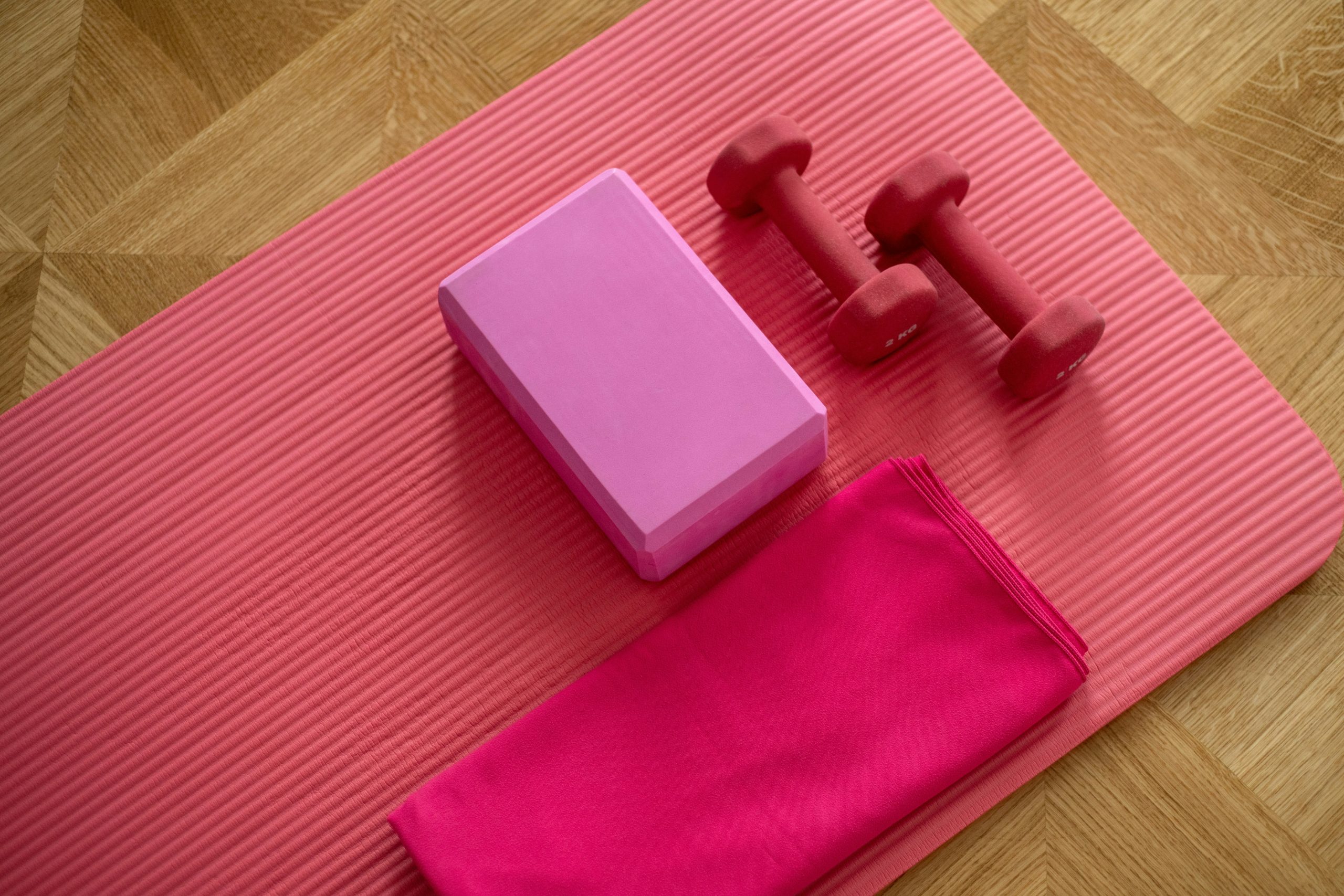
Even if you are not chronically online, almost everyone has heard of the exercise phenomenon that is Pilates.
In contrast with many fleeting trends, this sport has managed to permeate the walls of Instagram and infiltrate the physical world, bringing with it the tag-along trends of matcha lattes and pastel-coloured workout clothing.
Originally created to support injury and illness recovery using knowledge from bodybuilding, gymnastics, and dance, Pilates has now become a staple in the ‘clean girl aesthetic’.
Typically, female influencers post about their expensive Pilates classes taken in a New York high-rise, followed by their daily juice cleanse and a nibble of avocado with flaxseeds, everything preceded by a posed picture of their hourglass figures (with an emphasis on their smooth stomach and thigh gap) draped in Lululemon clothing costing more than most people’s monthly rent expenses.
It suggests that, by taking regular Pilates classes and consuming organic and high-fibre meals, everyone will be able to achieve the body and lifestyle that these influencers present to their audience.
Yet, when you take a step back and look at this fitness trend from a scientific perspective, nothing is as flawless it seems.
First of all, nothing aside from surgery can change the bone structure of a person.
So, the only way to achieve that perfect hourglass figure is by being born with a narrow ribcage and wide-enough hip bones to create the illusion of a small waist.
Likewise, strong oblique muscles (on the sides of your torso) will increase waist circumference and make the achievement of an hourglass figure even trickier.
Aside from this, Pilates appears to be put on a pedestal as the premium weight loss regime of our time.
Yet, there is not a singular way to lose weight. It simply comes down to calorie intake and output: fewer calories in, more calories out.
Unless you are doing hot Pilates (where you take a Pilates class in a heated room), it is not an exercise form that burns large amounts of calories. Regardless, the body’s ability to burn calories does not purely come down to exercise levels.
Each person in this world burns calories differently; it depends on their weight, height, muscle mass, general activity levels, health, etc.
One type of exercise will not work the same on every single person and is not the solution to the obesity pandemic being experienced across the globe.
The big push for Pilates on social media does not purely come down to the exercise and fitness benefits.
It is a status symbol – a sign that you can afford to spend large amounts of money on leisure activities and are able to carve out enough free time to commute and take part in these classes.
In a world where interest rates continue to rise and food prices are at an all-time high, being able to afford luxuries is something only the few can do, so being part of the ‘pink Pilates princess core club’ is just another way for the rich to display their wealth.
Next time you see an aesthetically crafted post of someone posing in front of a floor-to-ceiling mirror clutching their matcha and flaunting their expensive workout gear, remember: it is a trend because it is selling you something that will force you to give up your time, your money, and your energy.