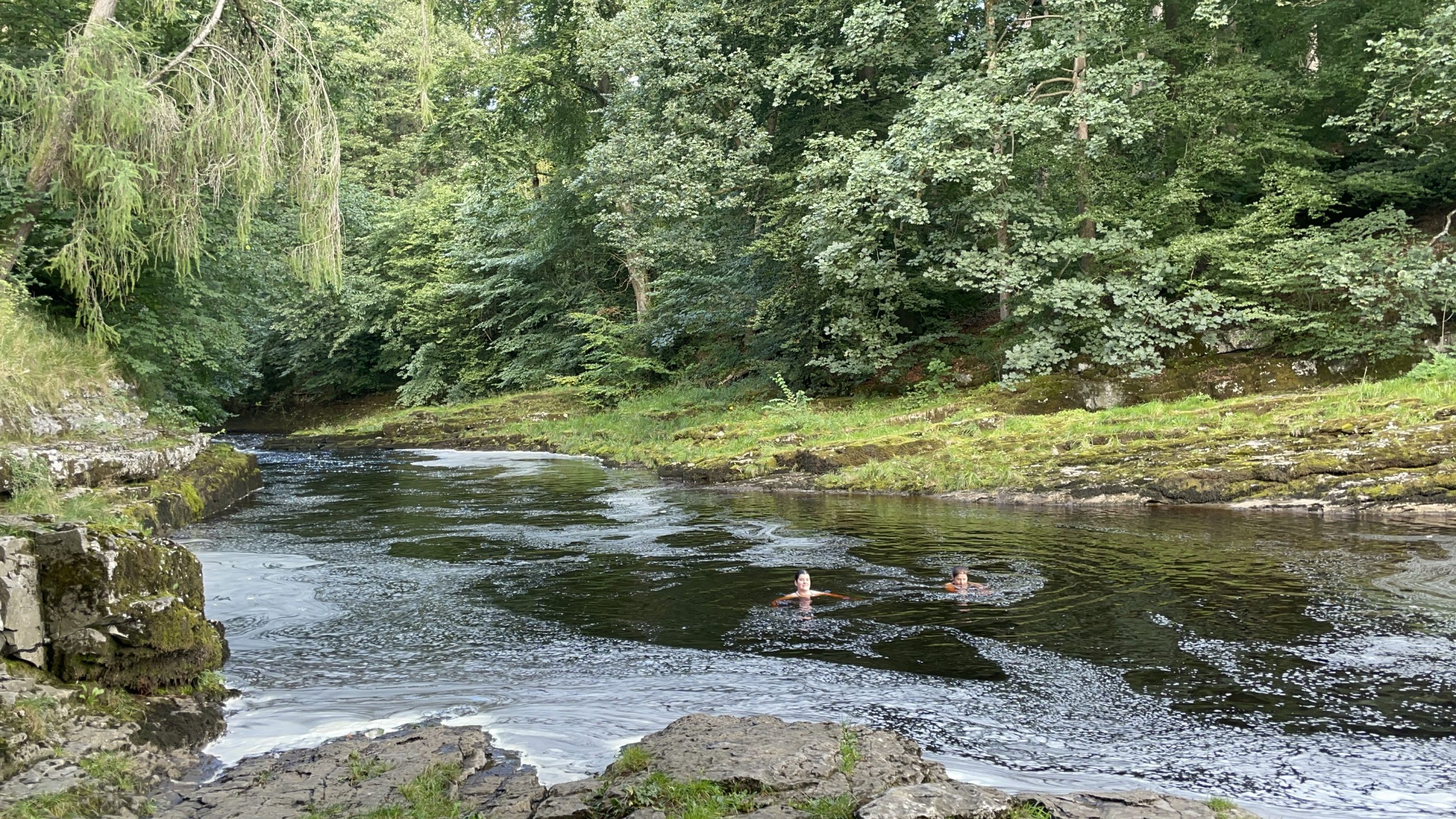
We do not have an infinite supply of water. Whilst the volume of water on Earth is constant, the availability and accessibility of freshwater is not.
In the UK freshwater seems like an abundant resource, so it might seem surprising that Yorkshire has been in a drought since 12th June following the driest spring in 132 years. Usually, the groundwater levels get topped up over spring, yet this year the reservoirs’ levels have not increased since January!
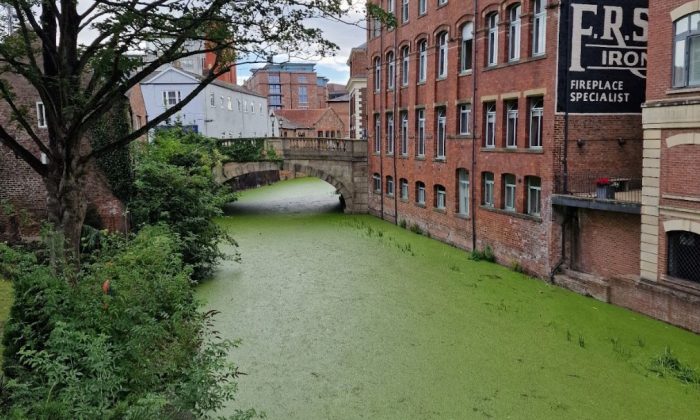
Another reason the availability of freshwater is diminishing is because we are polluting it. According to The River Trust, only 14% of rivers in the UK are classed as having ‘good’ ecological status, with none achieving a ‘good’ chemical status. There has been an 83% decline in freshwater species globally since 1970, and in 2024 raw sewage spilled into England’s rivers reached an all-time high of over 3.6 million hours.
As well as reducing the availability of freshwater, pollution also causes economic and environmental issues. Cleaning up our waterways is expensive, so the more we allow pollution to flow into our waters, the more we will have to pay in the future. Bodies of water can also add a unique beauty and wonder to its surroundings, attracting tourism that boosts the local economy.
The most obvious impact of water pollution is its effect on wildlife. Mayflies are considered an indicator of a healthy river as their larval stage is very sensitive to pollution. The unnaturally high levels of nutrients from sewer pollution rapidly increases algal growth which prevents the mayflies from feeding and kills their eggs. This impacts the rest of the food chain as they are a food source for many fish and birds.
Otters are also badly impacted by sewage pollution. Cardiff University tested 20 Eurasian otters near a chemical factory and found levels of 33 types of polyfluoroalkyl substances (PFAS). PFAS are a group of chemicals that remain in the environment for a long time, sometimes called forever chemicals. Their water-resistant and greasy properties make them useful in everyday products such as cleaning products and non-stick cookware. However, some of them have been banned for over ten years because of their potential to cause ecological harm. Despite this, they are still detected in wildlife, showing the need to restrict their use and come up with active solutions to reduce their release into the environment.
What can we do?
It is so easy to become overwhelmed by negative news, and it often makes our relatively small actions feel very insignificant. We need policies that regulate the release of pollutants into our waterways and investment to counteract the damage that’s already been done. It is vital that the urgency of this is made clear to everyone so we can all do our bit with whatever power we have.
Here are some free small habits you can try to include in your routine to help make a positive difference:
- Filling the dishwasher instead of handwashing uses less water.
- Spend a minute less in the shower – a family of four could save approximately 36 litres each day!
- Don’t flush anything extra down the toilet such as wipes or sanitary products.
- Don’t pour fats, oils, cleaning chemicals, and paint down your sink! They should be in a sealed container and put in the bin.
- Reduce your plastic use and don’t litter!
- Cut down on pesticides and herbicides in your garden.
- Pick up your pets’ waste.
- Become educated on what else you can do – Yorkshire Water has lots of information!
With the recent wonderful weather, this is more important than usual! You may think that these tips are frivolous but just introducing a hosepipe ban in Yorkshire reduces regional water usage by 10%. So if everyone starts to consider water as more of a luxury rather than an infinite resource, it means we are moving a step in the right direction.