(Image Credits: UNSPLASH)
After just two months in operation in Australia, the UK government is contemplating a complete social media ban for children under 16, raising concerns for children’s mental health.
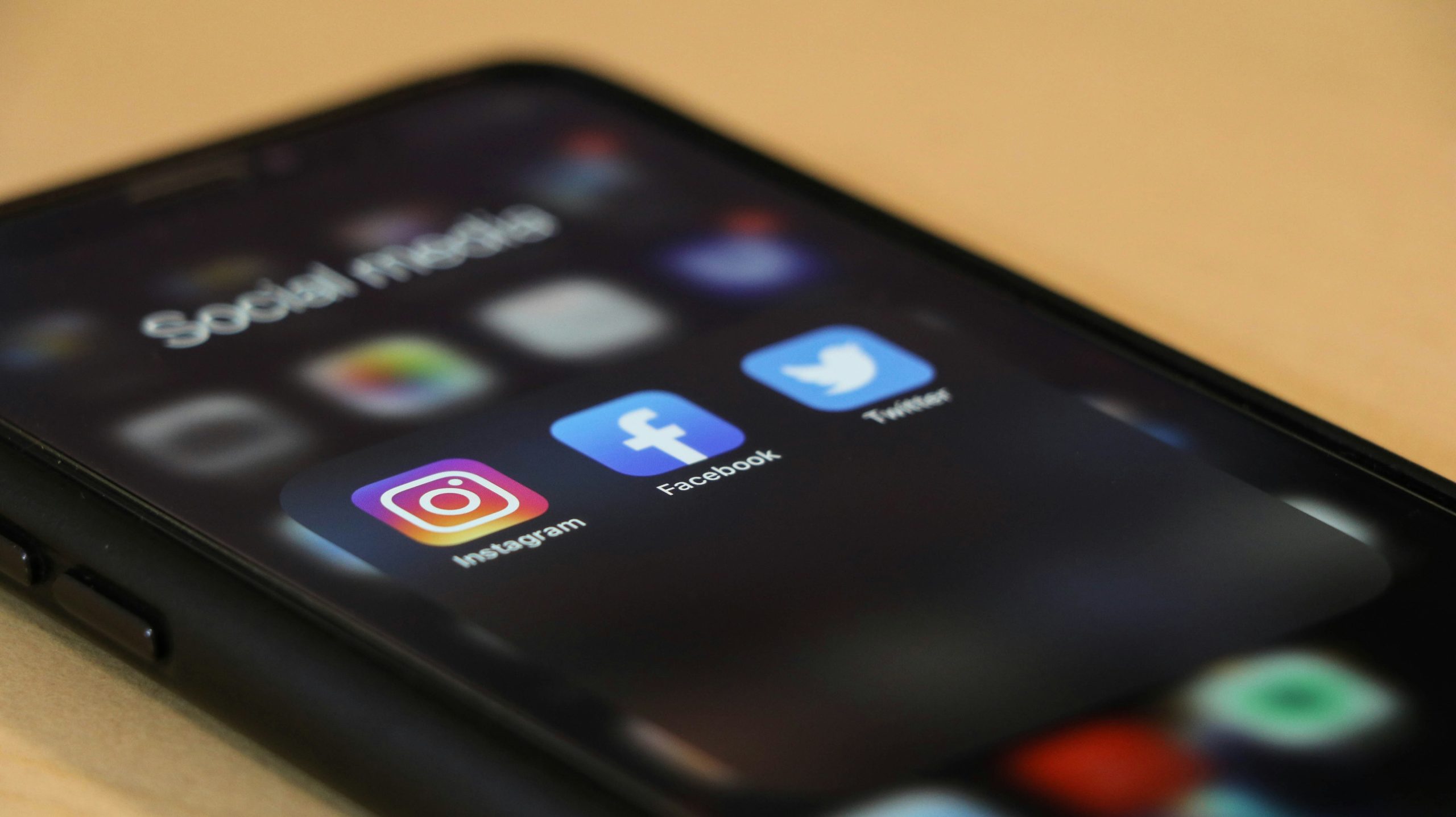
As of the 10th December 2025, children under the age of 16 in Australia have been banned from social media platforms such as Instagram, Snapchat, TikTok, and Youtube. Implemented via the Online Safety Amendment (Social Media Minimum Age) Bill 2024, the Australian Government has restricted child social media use in an attempt to curb any risks to mental health and wellbeing. A study from 2025 (commissioned by the Australian government) highlights the risk that social media can pose, finding that 96% of 10-15-year-olds used social media, and 7 out of 10 of this 96% had viewed harmful content on these platforms.
However, whether the declining mental health of Australian (and global) youth can be directly attributed to rising social media usage is contested amongst academics and mental health groups, 140 of whom contested the ban by signing an open letter sent to the Australian Government. This question on social media’s true impact on the declining health of the younger population is one that, according to a study published by Blake and others in 2025, remains uncertain. They called attention to parental social media use, the substantial underdevelopment of understanding on what-harms-who in the social media realm, and the fact that the effective operation of a complete ban is highly questionable. Given these three conclusions, Blake and others themselves emphasised that with this Australian ban must come ‘careful evaluation’. After only two months, can we really say that ‘careful evaluation’ has been undertaken?
As of the 19th January, the UK government has begun consulting on a social media ban of similar character; as of the 9th February, this had become a peer-backed (although government-opposed) motion. The question, therefore, is will a ban of this nature really help our youth? Or will it, on the contrary, be the cause of further mental health decline?
A major concern with a full-scale ban is the possibility that children will remain online, but in significantly less-regulated and therefore more dangerous environments and because children are not supposed to be in these spaces, any harm they may face here is much less likely to be reported out of fear of punishment. In addition, there is little evidence to suggest that children’s screen time will reduce as a result of a ban, with them moving to other platforms such as streaming services, gaming, and AI chatbots – the latter recently found to have been having “sensual” conversations with children, as well as encouraging suicidal thoughts.
Therefore, instead of a full-fledged ban on social media for under-16s, charities such as the Molly Rose Foundation suggest stronger regulation of social media platforms. Jasmine Fardouly, a Senior Psychology Lecturer at the University of Sydney, notes this should include legal accountability for platforms who do not protect children, prevent them from, and address online harm, as well as education for both children and parents on the dangers of social media and how to manage and approach its problems and benefits.