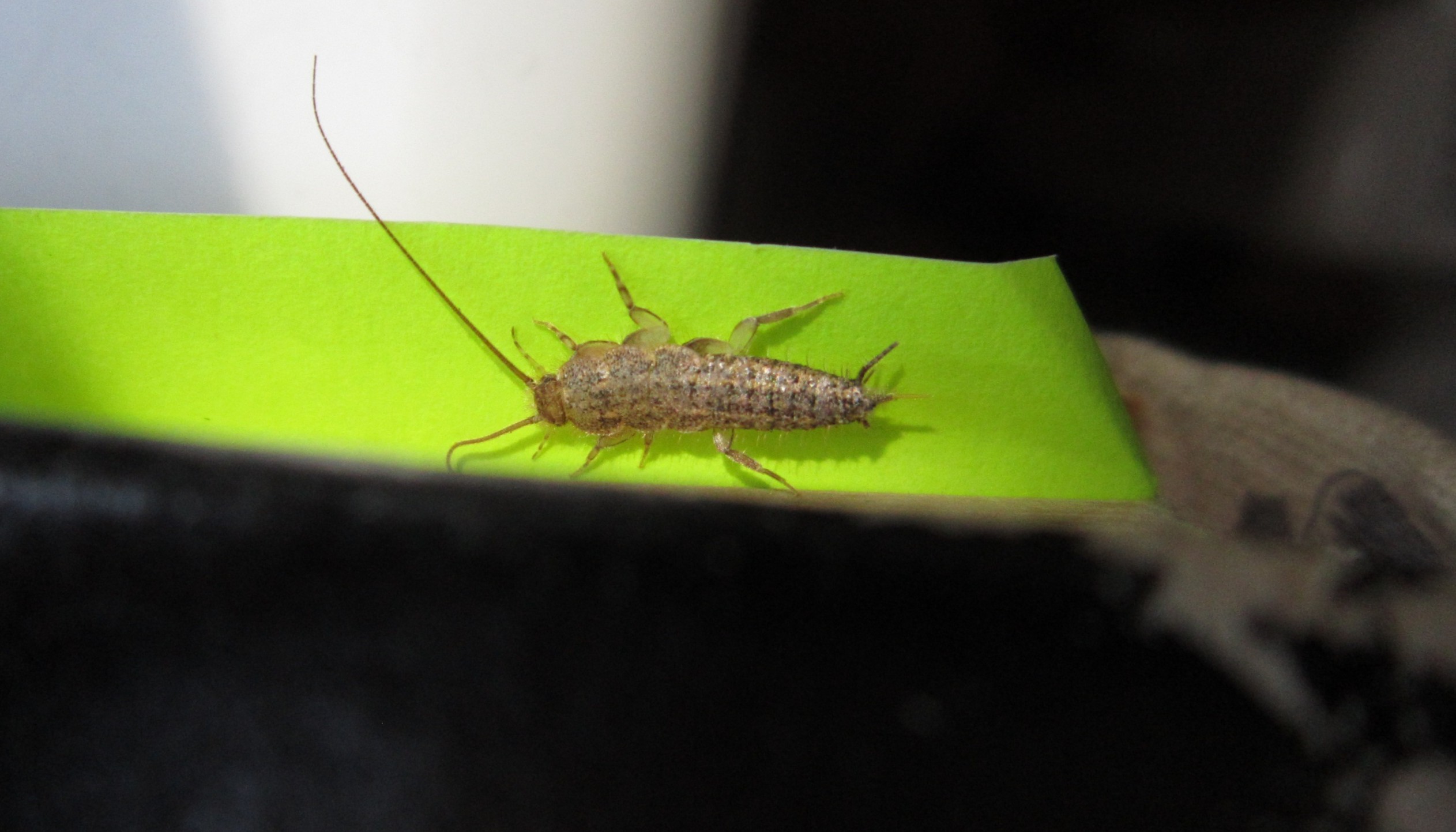
It’s a cold morning, and you walk into your Uni accommodation’s bathroom, barely awake. You turn on the tap, the water freezing cold. A silver flash zooms across the floor.
It’s a tale as old as time. Quite literally, as our pesky little friends have been around for over 400 million years! But in the most iconic redemption arc in history, they may be the key to a greener future …
A team at the University of York was investigating the digestive system of firebrats, which are very close relatives of silverfish. Despite the researchers buying the first generation of their test subjects on eBay, they found groundbreaking results.
The insects are known to feed on cardboard and paper, which are made out of a polymer called cellulose. The firebrats do this by using a class of enzymes called lytic polysaccharide monooxygenases (LPMOs). These break down polysaccharides (chains of carbohydrates) into single units of sugar. Previously, LPMOs were only known to be in fungi, bacteria, and viruses, but this study has shown that it was widespread among invertebrates — including our very own silverfish!
Biochemically, LPMOs are unusual in that they break down polysaccharides using a process called oxidative cleavage, where electrons are used to break bonds. Normally, water is used to break the bonds instead, in a process called hydrolysis. Oxidative cleavage’s higher yields, coupled with LPMOs’ ability to increase the rate of cellulose digestion, has the potential to revolutionise the production of biofuel.
Biofuel is produced by fermenting those sugars broken down from cellulose. If we can implement these enzymes into industrial processes, we can improve the efficiency of biofuel production. This is promising news, considering that use of biofuels is set to grow by 0.9% annually over the next decade.
So next time you see a flash of silver on your bathroom floor, remember not all heroes wear capes…some eat them.