After a year of shopping and cooking for myself, I have a plethora of advice to share with incoming students.
Some of you lucky ones will have catered accommodation (cherish this). But for most of us, we are met every day with the almost overwhelming pressure of deciding what to eat for dinner.
To gain your faith in me as a food shopping expert, I will begin by giving a rundown of my budget and what I was able to buy with it.
My weekly food budget was £15, with an absolute upper limit of £20. Generally I was able to stick to the £15, and only went over when I needed to repurchase items I did not buy weekly, like oil, tinfoil and rice. With this £15, I would be able to make seven main meals, lunches and breakfasts, making my overall food cost per day just over £2. Obviously, everyone’s budgets will be different and this advice is what worked best for me and my diet.
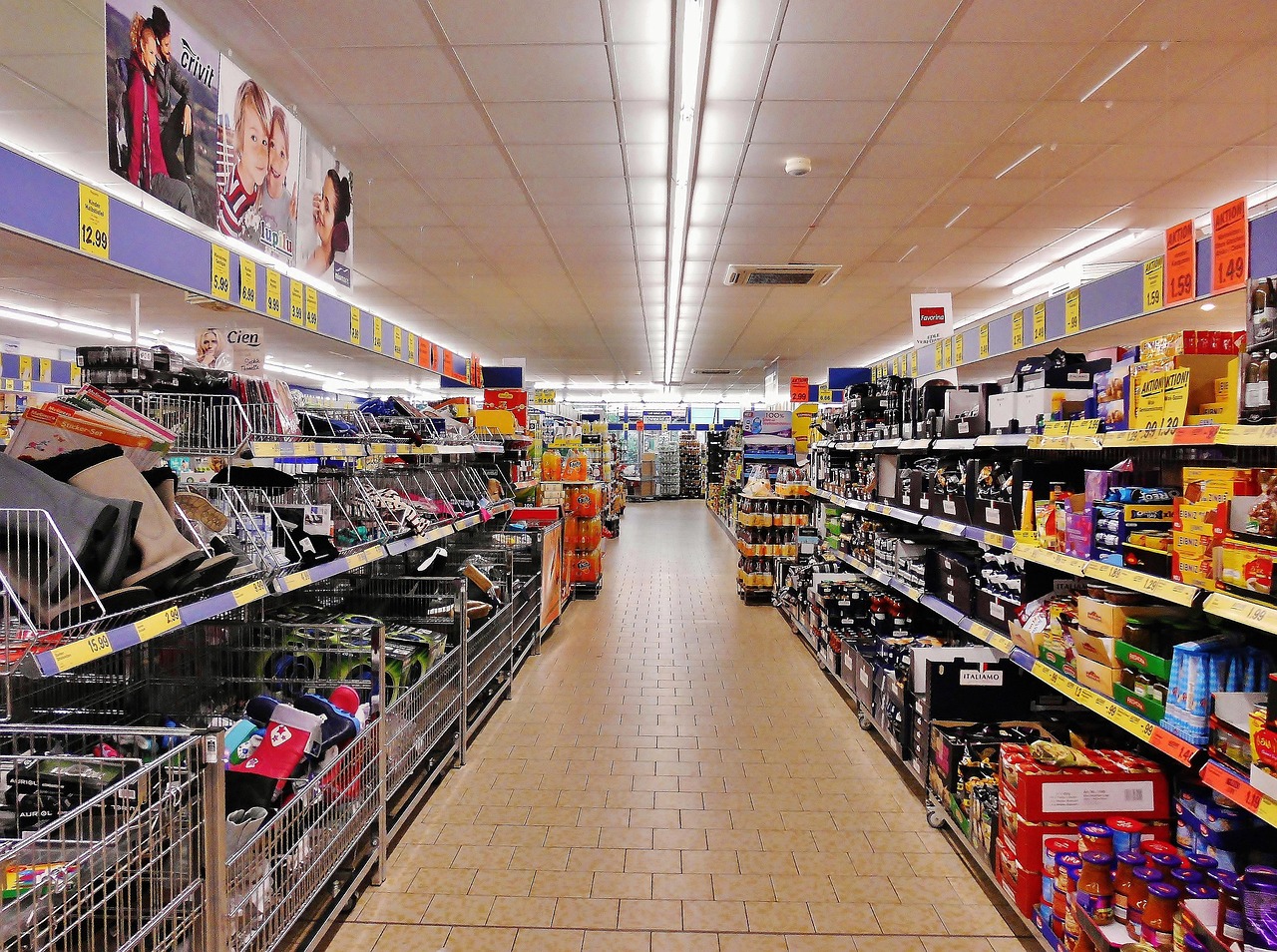
My first piece of advice is to choose your supermarket carefully. I found Aldi to be amazingly affordable and fit almost all my food shopping needs. Aside from just being affordable, Aldi also has a very helpful website. Each week, I would search the website and add everything I wanted to buy to my basket to get an idea of how much I would be spending. This allowed me to easily shop within my budget and helped prevent any impulse buys.
For people on an even tighter budget, I would also recommend shopping around for some items. For me, this meant shopping for rice and egg noodles at an Asian Supermarket in town. Not only did this save money but it also meant I had way more options to choose from.
My second piece of advice is to plan your meals. How you do this is really up to you. I know lots of people who just batch cooked one meal and ate that for a week; others batched cooked several meals and varied eating these across a few weeks. If the idea of eating, say, fajitas for seven days straight doesn’t sound satisfying, you may have to do slightly more planning.
Before my food shop, I would sit down and think of three meals I wanted to eat that week. Then I would head to the Aldi website and add all the ingredients to my basket. To fill the rest of the week, I would come up with other dishes I could make using those ingredients. Occasionally, I would have to add a few extra things to the basket, like instant noodles and soup, to ensure I had food for every day.
The next big thing to consider is storage. Buying for one person can be incredibly difficult since most things come in family sizes and single portion items often cost more per kilogram. Luckily, so many things can be kept in the freezer. I always kept my bread in the freezer, along with lots of leftovers.
Regarding storage, not all vegetables are created equally. Cabbage, for example, can last a few weeks in the fridge while spinach wilts quickly. My list of long-lasting vegetables includes: celery, broccoli, carrots and peppers. Learning how to store foods is important too and a quick Google search can help you here. For example, spring onions last the longest when refrigerated upright in a glass of water.
My next piece of advice may cause a few laughs but it has had such a positive impact on my food shopping experience. Buy a shopping trolley. One of those wheely things often sported by the elderly. Having a trolley meant I could buy enough food for the whole week in one food shop without aching for the rest of the week. If you have a car, you can skip this piece of advice but for those of us who don’t, a shopping trolley will seriously improve your shopping experience.