A trip to a time before the University…
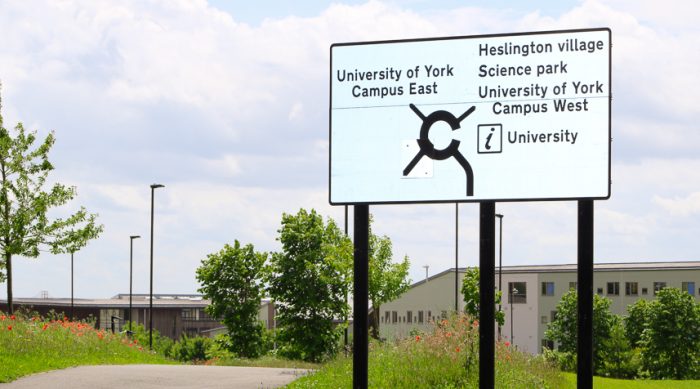
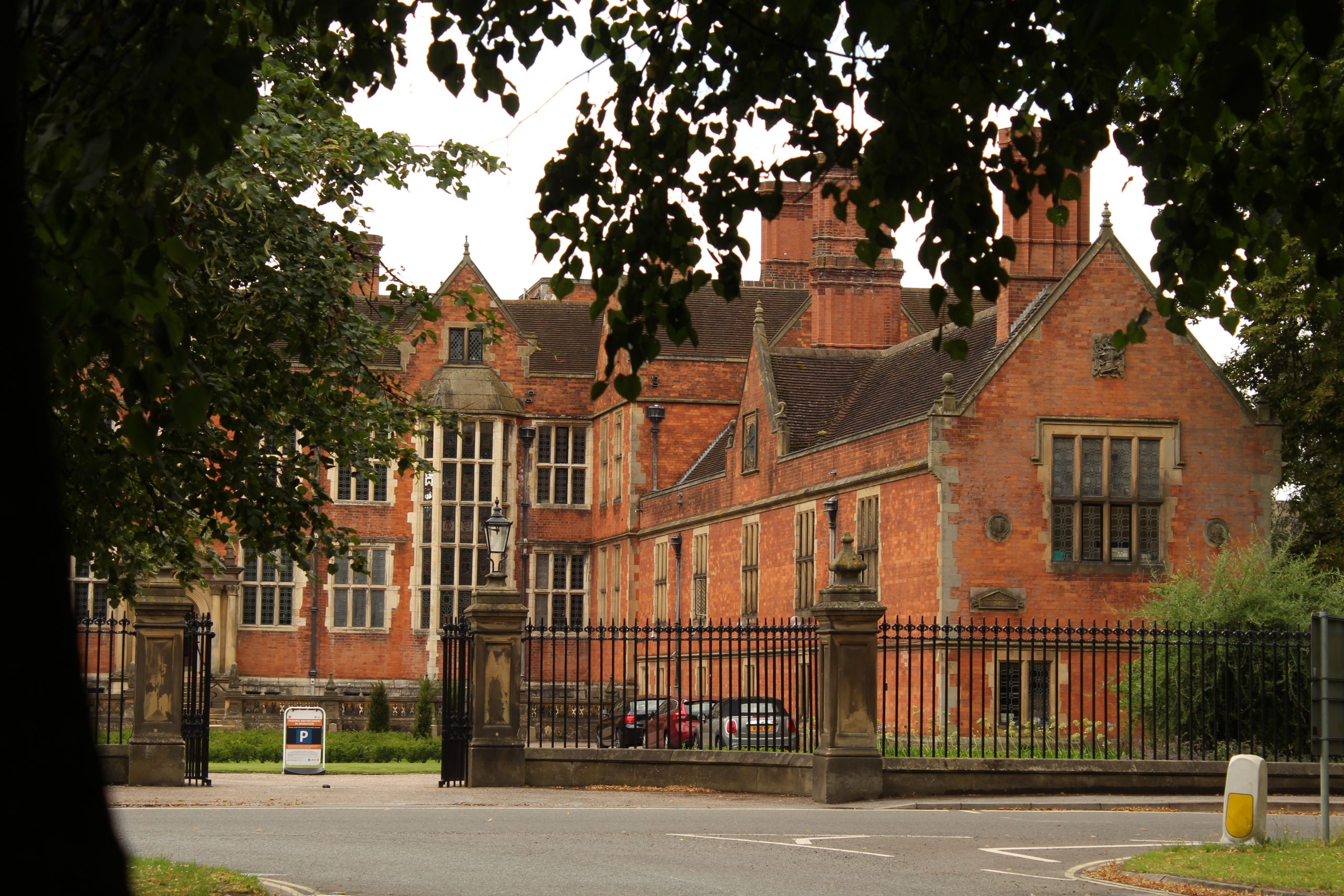
Although called the University of York, it’s really the University of Heslington: the small village where the Uni is actually located. Walking around the area, you can see what it was once like before the students. The church, the pubs, the fields, and the hall give the impression of a quaint country village, and make me wonder what life was like before all the 1960s ‘experimental’ architecture.
Pre-History
The earliest signs of human activity in this place date back to the 7th century BC. During the construction of Campus East, developers found a preserved human brain (the oldest preserved brain in Eurasia). The poor owner of this brain seemed to have been killed, and there’s evidence of significant trauma to the neck. He could have been hanged, or he could have been beheaded. Maybe both. It was during this time that Greece was flourishing. City states were emerging, with colonies springing up in Sicily, and Homer’s epics (The Iliad and The Odyssey) being finished. Meanwhile, this area was still a murderous backwater.
The Romans in Heslington
The earliest signs of civilization in this area do not appear until 1,100 years later. This evidence comes from campus west with the ‘Heslington Hoard‘. About 2,800 Roman coins were buried in Heslington in roughly 335 AD. The Romans founded York (Eboracum) in 71 AD as a fort. It held the romantic distinction of being the most northern fort in the empire. It was the edge of the known world. To the IX Legion, recruited from Hispania (Spain and Portugal) and stationed there, it must have felt like being stationed on the moon. It was built to protect the empire against the Picts and to dominate the north of England. Along with the IX Legion, and subsequent Roman forces, came the knowledge, culture, and treasure of the empire. No one is sure why the coins were buried. The jar they were stored in wasn’t made to last a long time in the ground, yet it lasted 1,600 years. Some speculate that it was an abandoned wishing well.
New people arrive
Rome’s dominance in York was short-lived, however. Wars in Italy led soldiers back to fight in their homeland, leaving York and the surrounding settlements abandoned. The Angles, from northern Germany, were the next people to settle here, probably living in buildings and using the fortifications built by the Romans. The Vikings then arrived, and after years of conflict, decided in favour of peaceful coexistence with the Angles, and brought a new Danish identity to the city, now called Jórvík. It was during this period that York re-emerged as a great European city. It had a reputation for being home to many great scholars: Alcuin and Paulinus were both deeply connected with the city.
‘It was the medieval period that saw the golden age of York, and Heslington reflected in that glory.’
The Normans are here
It was also during this time that Heslington as a village was starting to form. Like all the settlements around the city, it was primarily a farming community. In fact, that is where the village gets its name, with Heslington meaning ‘farmstead by the hazel wood.’ The first mention of the village comes in 1086 in the Domesday Book, with the tenant-in-chief of the village being Hugh, son of Baldric, a minor lord who held tenancies across Yorkshire and Nottinghamshire. This entry shows a significant change in Heslington. Hugh and Baldric are Norman names, not Anglo-Saxon. William I’s conquest of England had reached York in 1068, and the Anglo-Saxon nobility was dispossessed and replaced by Normans loyal to the new King. In 1069 there was a rebellion in the north supported by the Danes, but this was quickly crushed. The Normans met the rebellious locals and met them with extreme violence. During the Harrying of the North (1069-1070), nearly 100,000 people were killed, with whole villages being burnt to the ground and soldiers destroying crops and livestock. It is unknown how Heslington fared during this massacre, although judging by the description in the Domesday Book, it seems to have survived it relatively unharmed.
Medieval Heslington
It was the medieval period that saw the golden age of York, and Heslington reflected in that glory. The church of St Paul was erected in 1150 to accommodate the expanding village. New prosperity and technology saw previously unusable land in the area being cultivated. However, by the Tudor period, the city had declined, and the village settled into its role as a gentle pastoral community. This was a role it had up until the 1960s.
Heslington at war
Despite its peaceful atmosphere, war has reached Heslington. Since the Romans, York has been a military city, with its occupation being an important objective in England’s various civil wars. Heslington felt the strain of war acutely during the siege of York (1644). During the English Civil War, York had become a royalist capital after Charles I left London, with the city being held by the Marquess of Newcastle. Parliament sought to capture it, and Heslington Hall was used as a base of operations during this two-month siege. The royalists became desperate and sent for help. Prince Rupert of the Rhine marched towards the city and met the besiegers at the Battle of Marston Moor.
Peace, growth, and the University
Except for a brief flash of fighting in the 1640s, Heslington has maintained its peace. Throughout the centuries, the village followed the path of the surrounding area. A gradual expansion occurred, with pubs, a school, and a post office being built to cater to its growing population. This process would still be going on today, except for the campaigning of J. B. Morrell. As Lord Mayor of York, Morrell campaigned for a University, and in 1963, the first students arrived in Heslington.